67° and Overcast
Image
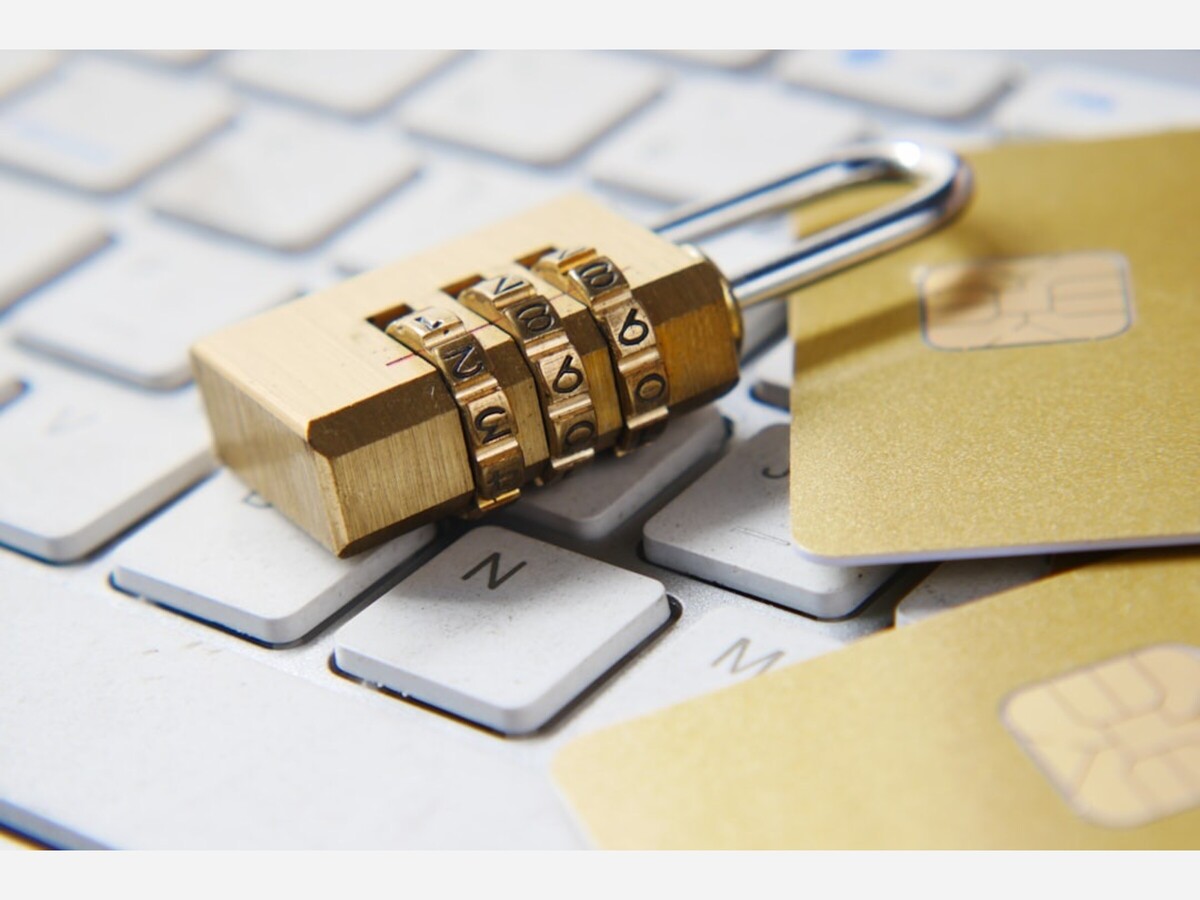



Trust in government is built on a simple expectation: when the public is required to provide personal information, the state will protect it. Social Security numbers. Tax records. Medical data. Employment histories. Biometric identifiers. These are not abstract assets. They are fragments of people’s lives.
When a government agency experiences a data breach involving personally identifiable information (PII), the harm is not theoretical. It is immediate, personal, and often long-lasting. Yet many citizens are left unsure of what should happen next, what they are entitled to, and who is responsible for making them whole.
This article outlines what individuals should expect after a government privacy violation, what rights data owners possess, which entities enforce privacy obligations, and the practical steps citizens should take to protect themselves.
If you want to read the rest of the article go to read the article and look the archives of the previous articles Dr Shellie Bowman has written for The Public Agenda.
https://open.substack.com/pub/drshellieb/p/when-checks-and-balances-str…
Stay Connected with Public Agenda by Dr. Shellie M. Bowman
Let’s rebuild public leadership together; one insight, one question, one breakthrough at a time.
eLEADt On with Purpose.

Sunny, with a high of 82 and low of 58 degrees. Sunny in the morning, overcast during the afternoon and evening, clear overnight.