67° and Overcast
Image



By Dr Shellie M Bowman Sr
In 1787, the American experiment stood on uncertain ground. Independence had been secured, but confidence had not followed. The war was over, yet peace brought no lasting calm. States argued more than they cooperated. Debt pressed heavily on farmers and merchants alike. Public patience thinned as expectations collided with reality. The promise of self-government remained alive, but fragile.
This was not a moment of triumph. It was a moment of unease.
Political debate saturated daily life. Pamphlets circulated rapidly, passing from hand to hand, tavern to tavern. Private disagreements hardened into public accusations. Trust in national authority was weak, and trust among citizens was weaker still. Many Americans were exhausted by politics, yet unable to disengage from it, because the consequences felt permanent. Something had to give, though no one could say what or at what cost.
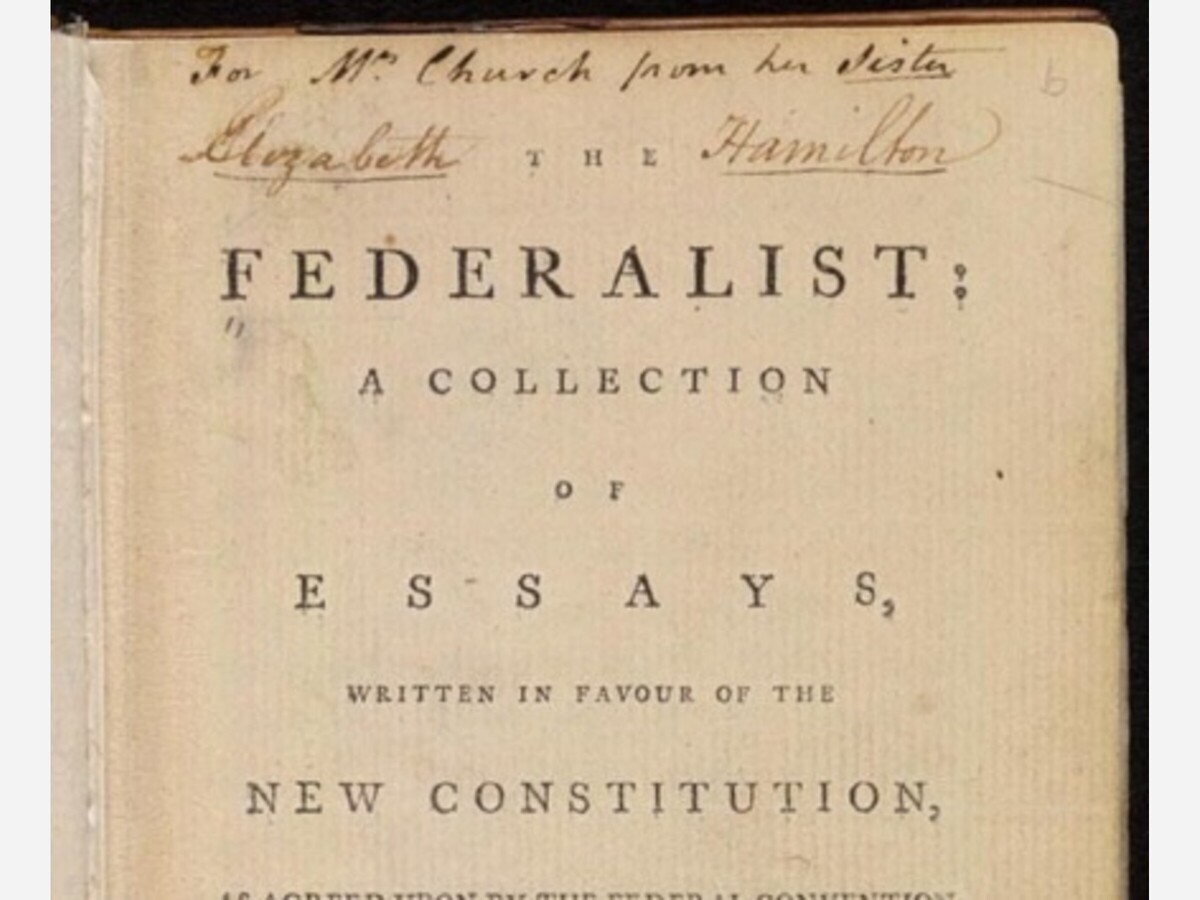
It was into this atmosphere that Alexander Hamilton began to write.
He did not sign his name. Instead, he wrote as Publius, invoking a Roman defender of republican liberty. The choice was deliberate. The argument was not meant to rest on reputation or ambition. It was meant to stand on the gravity of the moment itself. What followed was not a celebration of independence, but a warning about what comes after revolution.
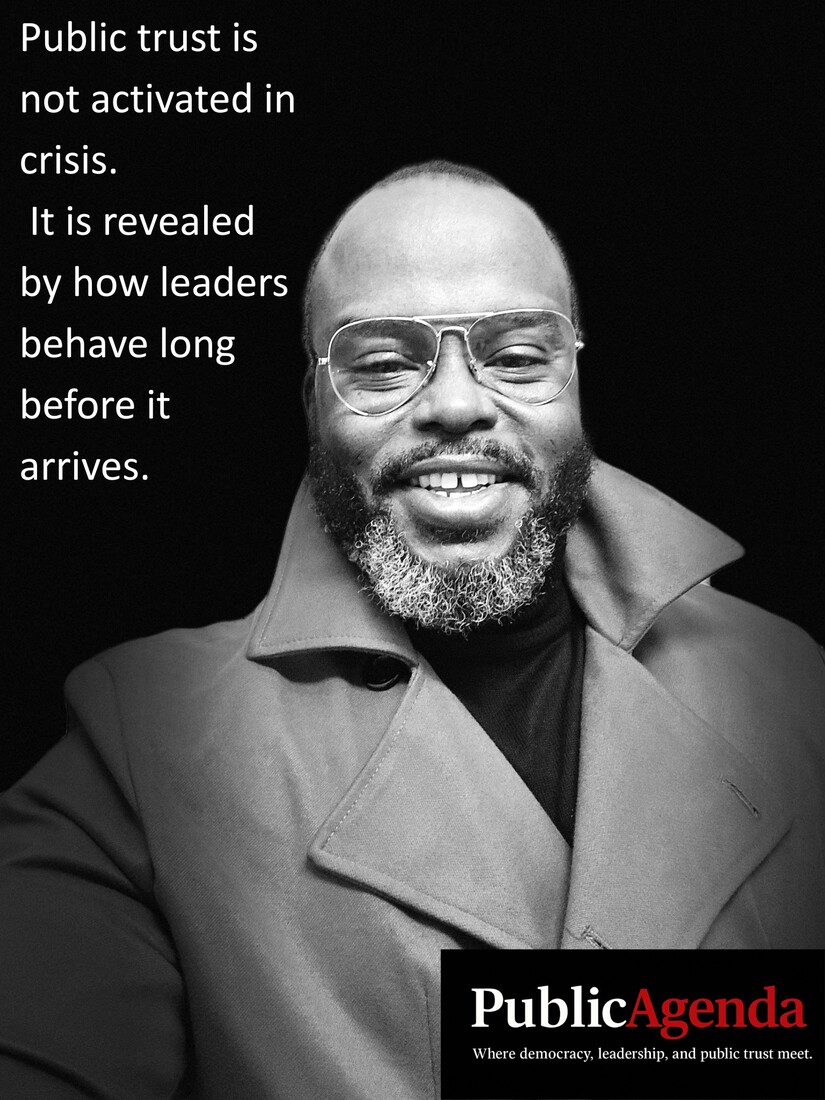
If you want to read the rest of the article go to read the article and look the archives of the previous articles Dr Shellie Bowman has written for The Public Agenda.
https://open.substack.com/pub/drshellieb/p/when-checks-and-balances-str…
Stay Connected with Public Agenda by Dr. Shellie M. Bowman
Let’s rebuild public leadership together; one insight, one question, one breakthrough at a time.
eLEADt On with Purpose.

Sunny, with a high of 82 and low of 58 degrees. Sunny in the morning, overcast during the afternoon and evening, clear overnight.