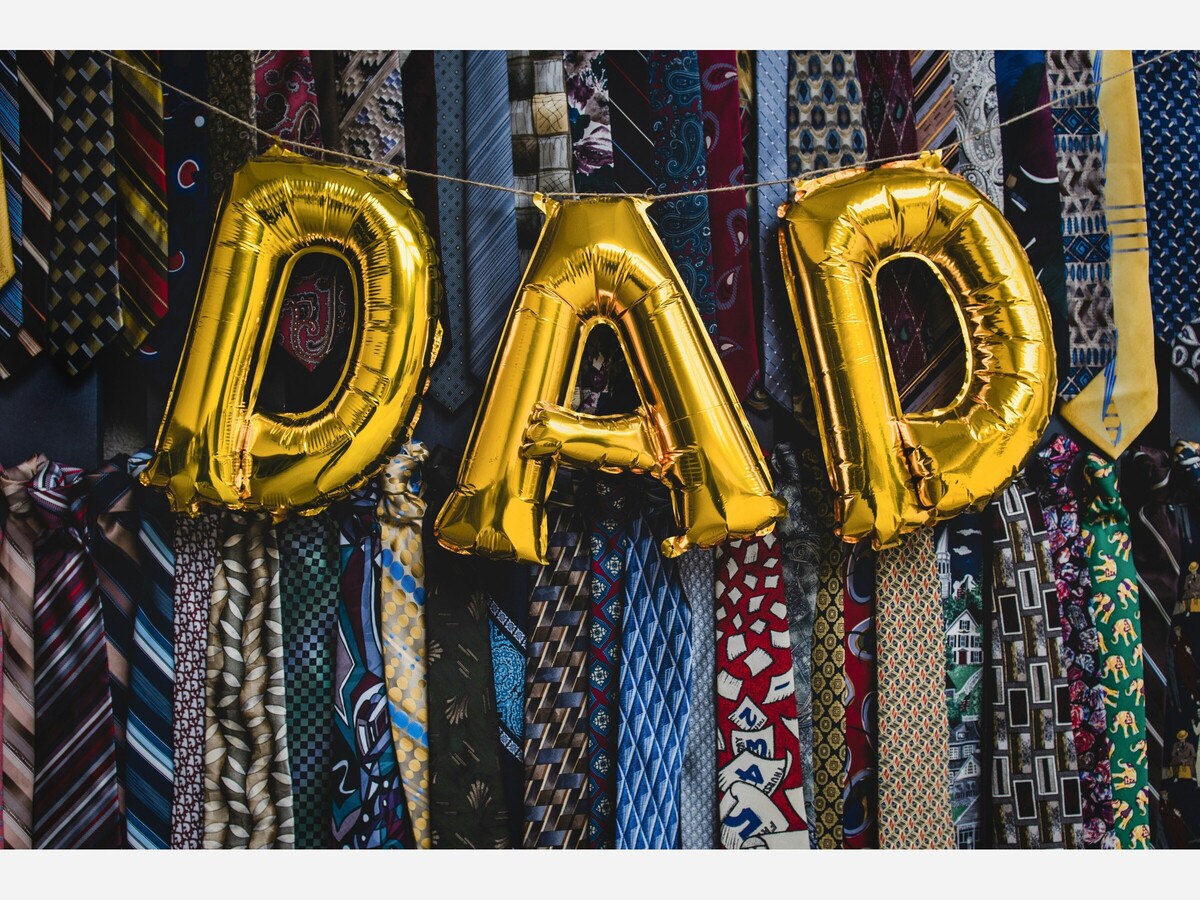
Father's Day was officially established as a permanent U.S. national holiday in 1972 when President Richard Nixon signed it into law. The holiday is celebrated on the third Sunday in June. Its history is rooted in a mix of local tragedies, maternal inspiration, and a decades-long struggle to gain official recognition. [1, 2, 3]The Early Roots and Tragedies
- St. Joseph's Day: Centuries before the modern holiday, a celebration of fatherhood was observed on March 19 in Catholic European and Latin American traditions to honor St. Joseph. [1, 2]
- The Monongah Memorial (1908): The first recorded celebration of fathers in the U.S. took place on July 5, 1908, at a church in Fairmont, West Virginia. Organized by Grace Golden Clayton, it was a one-time memorial sermon to honor the 362 men—most of them fathers—who died in the Monongah mining disaster. [1, 2]
The Mother of Father's Day
- Sonora Smart Dodd: The true driving force behind the modern annual holiday was Sonora Smart Doddof Spokane, Washington. [1, 2]
- The Inspiration: While listening to a Mother's Day sermon in 1909, Dodd felt that fathers deserved equal recognition. She was raised along with her five siblings by her widowed father, William Jackson Smart, a Civil War veteran. [1, 2, 3]
- First Statewide Celebration: Dodd campaigned locally through churches, shops, and the YMCA. Her efforts succeeded when Washington State celebrated the first statewide Father's Day on June 19, 1910. [1]
The Fight for National RecognitionUnlike Mother's Day, which became a national holiday quickly in 1914, Father's Day faced stiff resistance for over 60 years. Many men scoffed at the holiday, viewing its focus on gift-giving and flowers as a commercial gimmick or an attempt to "domesticate manliness". [1, 2, 3, 4]A timeline of political milestones includes:
- 1916: President Woodrow Wilson supported the day by triggering a system to unfurl a flag in Spokane from Washington, D.C..
- 1924: President Calvin Coolidge urged state governments to observe the holiday but stopped short of issuing an official proclamation.
- 1930s-1940s: An unsuccessful movement attempted to merge Mother's Day and Father's Day into a single "Parents' Day".
- World War II: The holiday gained cultural traction as retailers and citizens used it as a meaningful way to honor and support troops serving overseas.
- 1966: President Lyndon B. Johnson issued the first presidential proclamation establishing the third Sunday in June as Father's Day.
- 1972: President Richard Nixon finally signed the federal legislation making the holiday permanent amidst a changing social climate surrounding the roles of fathers. [1, 2, 3, 4, 5]
More News from Spotsylvania Courthouse
 72° and Moderate or heavy rain shower