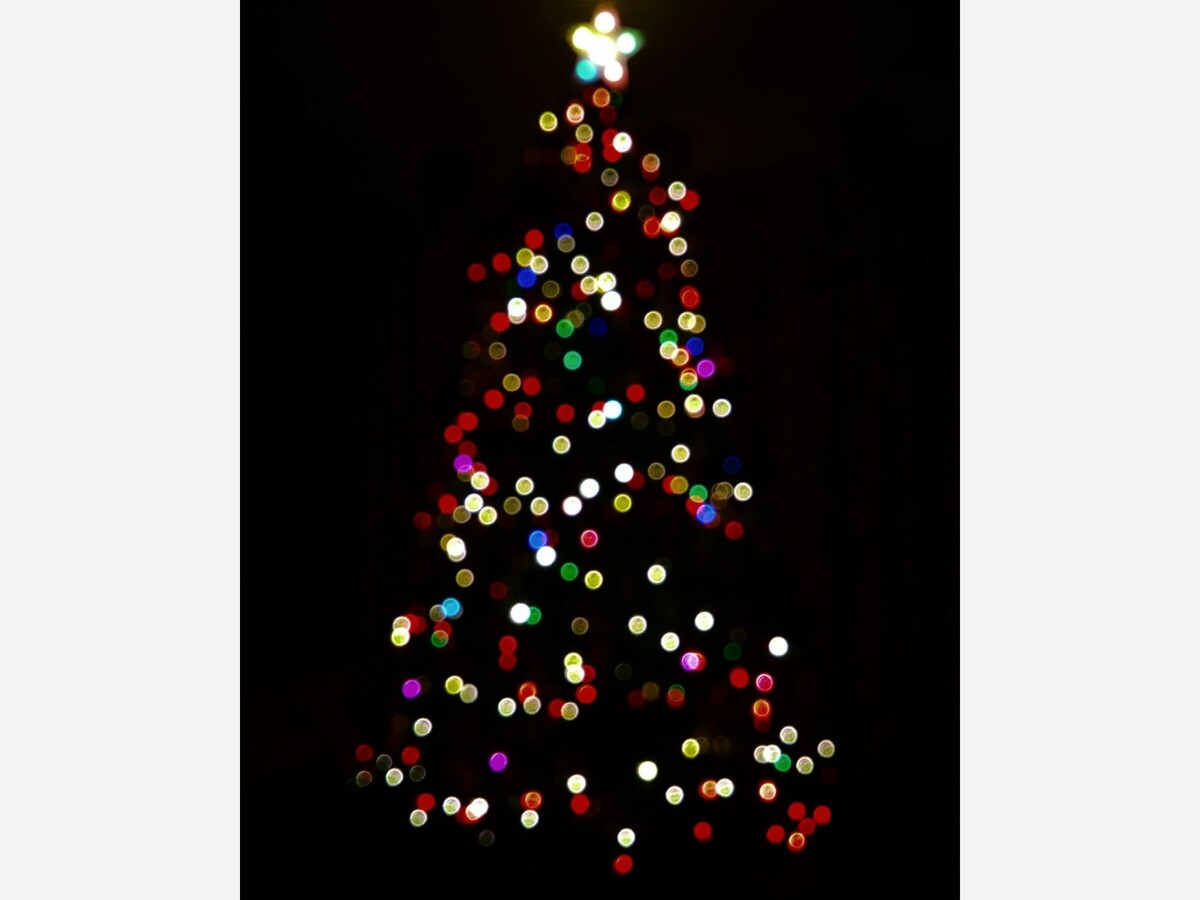
The Christmas tree tradition blends ancient pagan reverence for evergreens with German Christian customs, evolving from winter solstice greenery to the candlelit trees of 16th-century Germany, popularized globally by Queen Victoria and Prince Albert in England, and eventually becoming a nearly universal symbol of Christmas in America by the 20th century, featuring lights, ornaments, and modern decorations. Ancient Roots & Pagan Beliefs
- Evergreens: Long before Christianity, ancient cultures (Egyptians, Romans, Celts, Vikings) used evergreen boughs during winter solstice to symbolize life and ward off spirits.
- Roman Saturnalia: Romans decorated trees with metal bits during winter festivals.
German Christian Origins
- Paradise Trees: In the Middle Ages, German Christians used evergreen "Paradise Trees" decorated with apples for the December 24th Feast of Adam and Eve.
- Martin Luther: Protestant reformer Martin Luther is credited with adding candles to a tree, inspired by stars shining through branches, to represent Christ as the light of the world (circa 1530s).
- 16th Century: German Lutherans documented decorating trees with apples, nuts, and later candles and wafers.
Spread to the World
- Early Adoption: German settlers brought trees to America, but Puritan opposition delayed widespread adoption until the 19th century.
- Victorian Popularity: A famous 1848 illustration of Queen Victoria, Prince Albert (German), and their family with a decorated tree in England made them immensely popular, spreading the custom to America and beyond.
- American Growth: By the early 20th century, trees became a widespread American tradition, moving from rare to near-universal by 1930, with handmade decorations evolving into tinsel, glass balls, and electric lights.
Modern Era
- Artificial Trees: In the 1930s, brush-bristle trees appeared, followed by mass-produced aluminum and plastic trees in the 1950s and 60s.
- National Symbol: The National Christmas Tree lighting tradition at the White House began in 1923, solidifying its role in American culture.
(A variety of sources)
More News from Spotsylvania Courthouse
 67° and Overcast