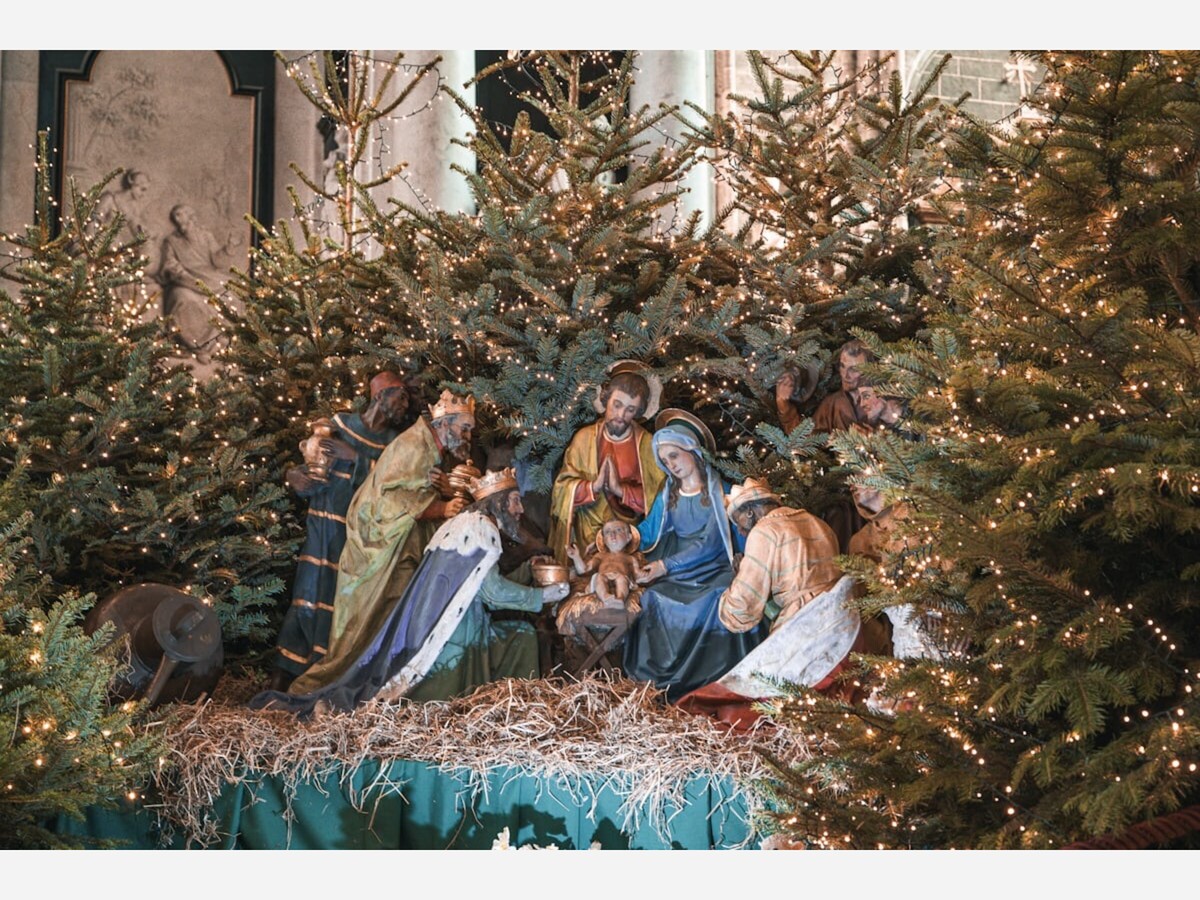
Christmas began as a Christian holiday in the 3rd-4th century celebrating Jesus' birth, strategically placed on December 25th to coincide with pagan winter solstice festivals like Rome's Saturnalia, absorbing traditions like feasting, gift-giving, and evergreen decorations (Yule). Over centuries, these pagan customs blended with Christian observances, evolving into the modern holiday, with figures like Santa Claus emerging from St. Nicholas and German/Dutch immigrants bringing trees and festive traditions to America, solidifying its global popularity. Early Christian Roots & Pagan Influence
Unknown Birthdate: The Bible doesn't state Jesus' birth date, but by the 4th century, church officials set December 25th, near the winter solstice.
Saturnalia & Sol Invictus: Romans celebrated Saturnalia (mid-Dec) with feasts and gift-giving, and later Natalis Solis Invicti(Unconquered Sun) on Dec 25th, symbolizing the sun's rebirth.
Pagan Traditions Adopted: The Church Christianized traditions like Yule log, mistletoe (from Norse), evergreen trees, feasting, and general revelry, giving them new meaning.
Medieval & Modern Evolution
The Twelve Days: The festive period from Christmas Eve to Epiphany (Jan 6th) became a major holiday, a time for rest and feasting.
Puritan Opposition: Some colonists, like the Puritans, banned Christmas for its perceived paganism and indulgence.
American Popularization: German immigrants introduced Christmas trees; writers like Washington Irving and Clement Clarke Moore ('Twas the Night Before Christmas) shaped the modern narrative.
Santa Claus: Evolved from the Dutch Sinterklaas (St. Nicholas) and popularized by illustrator Thomas Nast and later Coca-Cola ads, solidifying his iconic look.
Key Figures & Traditions
St. Nicholas: A 4th-century bishop known for generosity, the inspiration for Sinterklaas/Santa.
Father Christmas: An older English personification of Christmas merriment, predating the modern Santa.
Christmas today blends these ancient, pagan, and Christian origins, creating a global holiday rich with diverse, centuries-old traditions.
 67° and Overcast