62° and Cloudy



Image
How Halloween Became an American Tradition
By The Spotsylvania Gazette
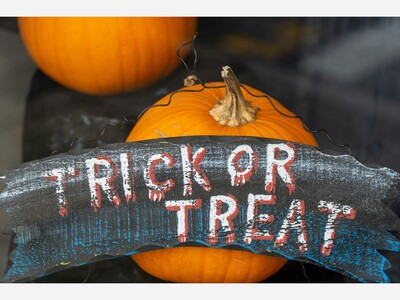
A glowing pumpkin on the porch. Children dressed as ghosts and superheroes. A neighbor waiting at the door with a bowl of candy.
These familiar scenes reflect a holiday that Americans developed over generations. Halloween’s roots reach across the Atlantic, but immigration, community celebrations and popular culture helped give the American holiday its distinctive character.
A Holiday Brought Across the Atlantic
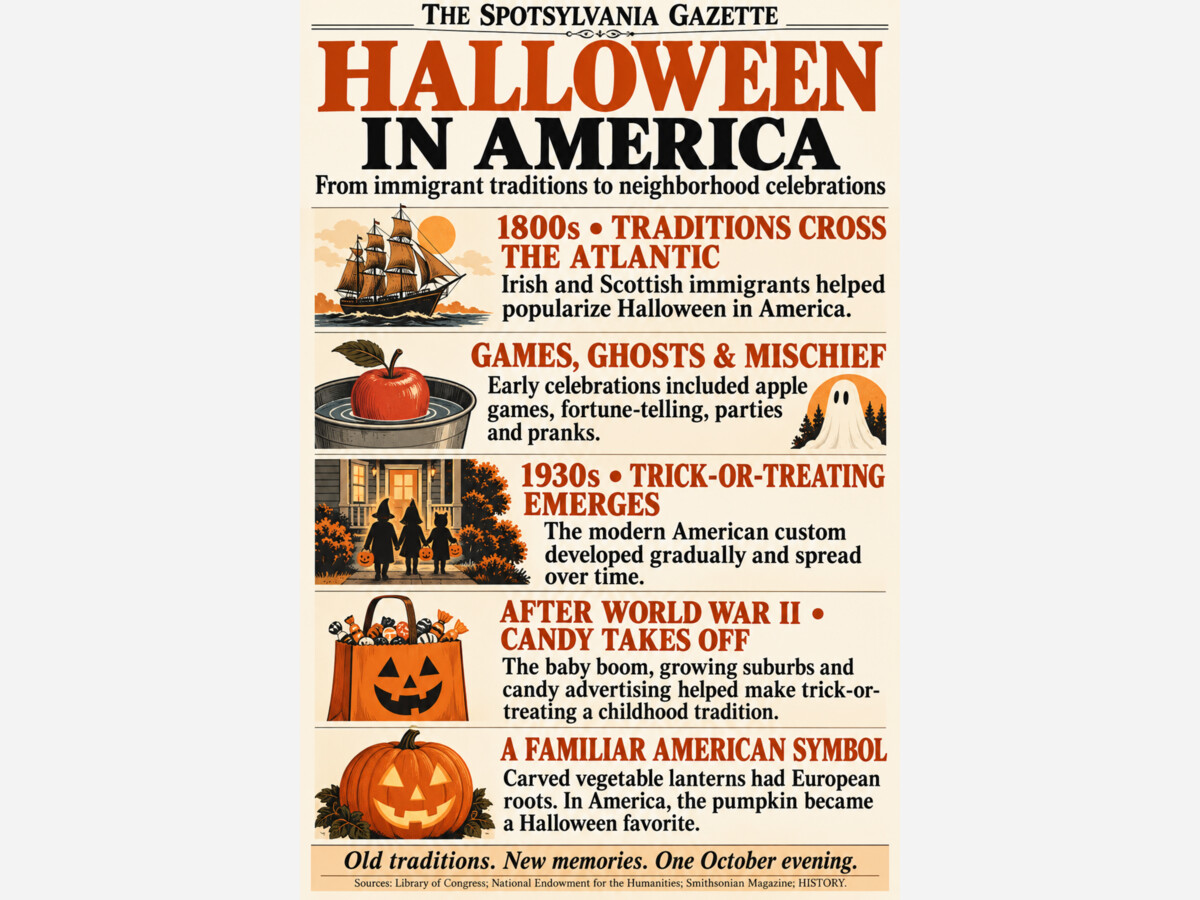
Halloween grew from a mixture of European seasonal customs and Christian observances associated with remembering the dead. Its name comes from All Hallows’ Eve, the evening before All Saints’ Day on November 1. (neh.gov, smithsonianmag.com)
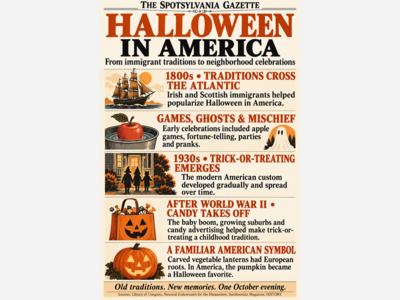
Irish and Scottish immigrants helped spread Halloween traditions in the United States during the nineteenth century. Immigration during and after Ireland’s potato famine in the 1840s contributed to the holiday’s growing popularity. Customs involving disguises, mischief and seasonal gatherings gradually became part of American life. (history.com, smithsonianmag.com)
Before Candy Bags, There Were Games and Pranks
Early American Halloween celebrations could look quite different from today’s neighborhood candy rounds.
Historic newspapers preserved through the Library of Congress document gatherings with apples, nuts and games intended to predict the future. A Louisiana newspaper described Halloween games involving nuts and apples in 1867. Other accounts recorded a less welcome tradition: noisy nighttime pranks. (neh.gov)
By the late nineteenth and early twentieth centuries, some Halloween mischief had become destructive. Communities increasingly encouraged organized activities and celebrations as ways to channel that energy into something neighbors could enjoy. (history.com, history.com)
The Rise of Trick-or-Treating
Today’s door-to-door ritual developed gradually. Its exact ancestry remains debated.
A Library of Congress folklife essay explains that American trick-or-treating emerged during the 1930s and became widespread later. It also identifies an often-overlooked predecessor: children once wore costumes and asked for gifts on Thanksgiving. Folklorists caution against tracing modern trick-or-treating to one ancient custom through a simple, unbroken line. (blogs.loc.gov)
World War II sugar rationing limited the treats available to American households. After the war, the baby boom, expanding suburbs and candy advertising helped make Halloween candy rounds a familiar childhood experience. Individually wrapped sweets were convenient for neighbors handing out treats. (history.com, smithsonianmag.com)
Popular entertainment reinforced the custom. Trick-or-treating appeared in the “Peanuts” comic strip in 1951. Disney released “Trick or Treat,” featuring Donald Duck and his nephews, in 1952. (history.com)
Pumpkins, Costumes and American Creativity
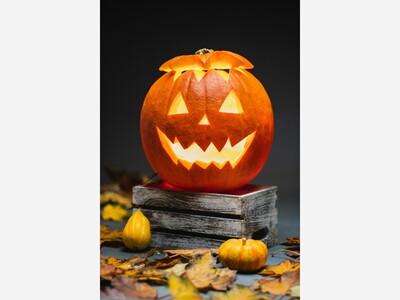
The jack-o’-lantern also reflects traditions carried across the ocean. Irish folklore associated carved vegetable lanterns with the wandering figure known as Stingy Jack. Americans made the pumpkin an enduring symbol of the holiday. (history.com, blogs.loc.gov)
Commercial Halloween treats have a long history, too. A 1920 New York newspaper advertisement promoted sweets that included chocolate-covered goblin faces and where is it jelly gums. Costumes, masks and candy were already becoming part of the holiday’s marketplace more than a century ago. (neh.gov)
Across generations, Americans have continued adding their own touches. Homemade costumes become family stories. A carved pumpkin becomes a child’s annual project. A doorstep becomes a place to greet neighbors.
That is part of Halloween’s American story: traditions brought from elsewhere, reshaped over time and passed along one October evening at a time.

Overcast, with a high of 65 and low of 45 degrees. Cloudy during the morning, overcast during the afternoon, partly cloudy overnight.