57° and Partly Cloudy
Image
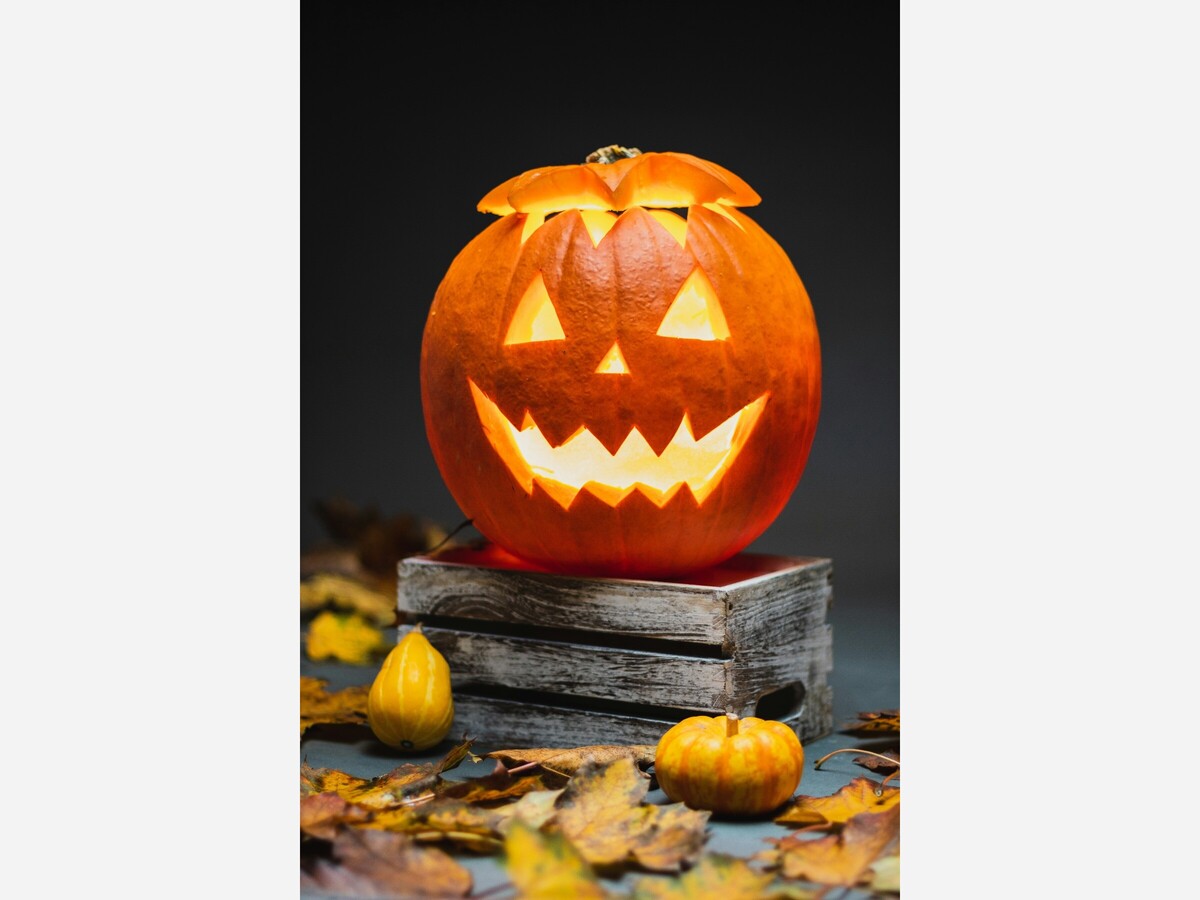
Photo by Lukasz Nescioruk on Unsplash



By The Spotsylvania Gazette
Before Halloween became a night of candy, costumes and glowing pumpkins, it was a season for marking the harvest, preparing for winter and remembering the dead.
The holiday developed over centuries. Its history brings together Celtic seasonal traditions, Christian observances and customs that immigrants carried to America.
What Does All Hallows’ Eve Mean?
The name Halloween comes from All Hallows’ Eve—the evening before All Saints’ Day on November 1. “Hallows” refers to saints or holy people.
Over time, All Hallows’ Eve became shortened to Hallowe’en and eventually Halloween. The name preserves a connection to the Christian calendar that can be easy to overlook amid today’s decorations and celebrations.
All Souls’ Day follows on November 2. In Catholic tradition, it is a day of prayer for the faithful departed. Together, these observances connect this time of year with honoring saints and remembering those who have died. (blogs.loc.gov)
An Older Seasonal Tradition
Another important influence was Samhain, commonly pronounced “SOW-in,” an old Celtic festival associated particularly with Ireland.
Samhain marked the end of the harvest and the approach of winter. It was a turning point in the agricultural year, when communities prepared for shorter days and colder weather.
Folklore associated the season with a thinning boundary between the everyday world and the supernatural. Spirits and otherworldly beings featured in stories about the night.
Our knowledge of early celebrations is incomplete. University of Kentucky folklorist Jeanmarie Rouhier-Willoughby notes that written accounts of Samhain appear in Irish sagas recorded between the ninth and twelfth centuries, although the celebration is older. That makes precise claims about its earliest customs difficult to establish. (uknow.uky.edu)
How Pumpkins Entered the Picture
The familiar jack-o’-lantern also has roots across the Atlantic.
People in Ireland and Scotland carved lanterns from turnips and other root vegetables. These lights became associated with supernatural folklore, including stories about a wandering figure named Jack.
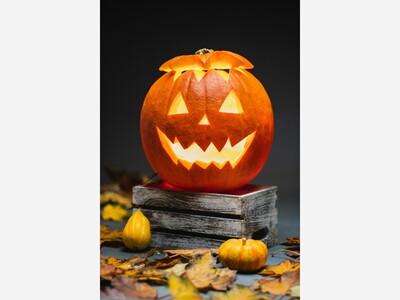
In America, pumpkins provided another material for carving. The glowing pumpkin eventually became one of Halloween’s most recognizable symbols


Overcast, with a high of 65 and low of 45 degrees. Cloudy during the morning, overcast during the afternoon, partly cloudy overnight.