 73° and Partly Cloudy
Image
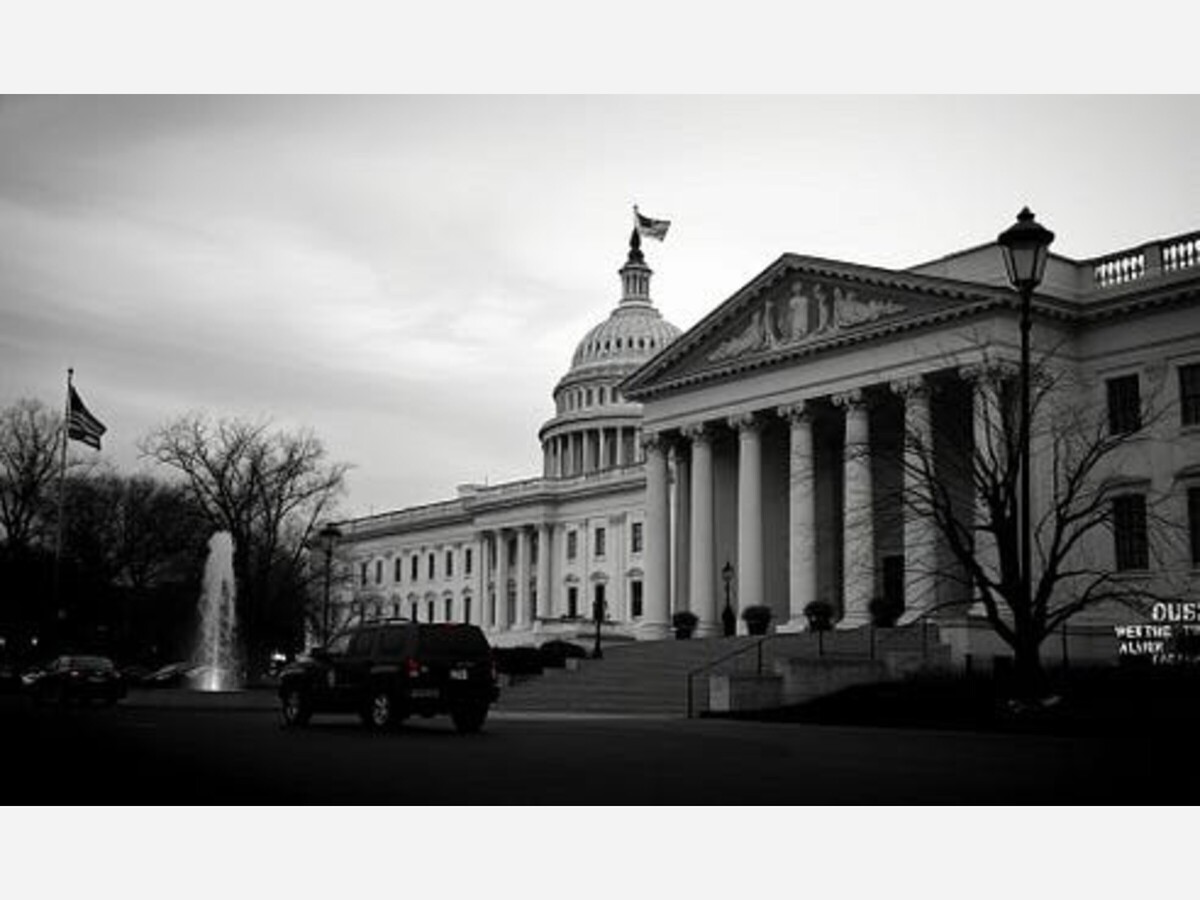



When Health Costs Rise, So Does Government Spending: A Public Administration Perspective
Rising health care costs in the United States are closely associated with increased public expenditures at the federal, state, and local levels. This essay examines that relationship through a public administration lens, focusing on expenditure trends, fiscal flows across levels of government, and downstream effects on local budgets and households. Evidence from peer-reviewed literature and authoritative public finance analyses suggests that growth in health spending is a primary driver of long-term fiscal pressure, particularly through programs such as Medicare and Medicaid. The essay concludes with practical considerations for local governments and households seeking to mitigate financial strain.
Health care spending in the United States has grown at a rate that outpaces general inflation and economic growth for decades. Public administrators must understand the implications of this growth, as it directly affects budget formulation, intergovernmental fiscal relations, and service delivery. The relationship between health care costs and government spending is not incidental. It is structural, persistent, and increasingly consequential for taxpayers and households alike.
Public expenditures on health care constitute a significant and growing share of total government spending. Programs such as Medicare and Medicaid account for a substantial portion of federal and state budgets. According to longstanding projections, health care spending growth is a central factor in long-term fiscal imbalance (Congressional Budget Office, 2020).
Medicaid, in particular, illustrates the shared burden between federal and state governments. As enrollment increases and per capita costs rise, both levels of government experience increased fiscal pressure. Research indicates that Medicaid expansion and utilization trends contribute to rising state expenditures, even when partially offset by federal matching funds (Gruber, 2011).
From a public administration perspective, this creates a constrained fiscal environment. Governments must balance health spending with competing priorities such as education, public safety, and infrastructure. As health care costs rise, discretionary spending becomes increasingly limited.
The fiscal relationship between federal, state, and local governments plays a critical role in how health care costs are distributed. Federal funding supports large portions of health programs, particularly through Medicaid. However, these funds are often accompanied by requirements that necessitate state and local financial participation.
Local governments, while not primary administrators of major health entitlement programs, still experience downstream fiscal effects. These include increased demand for public health services, indigent care support, and community health initiatives. As state budgets absorb higher Medicaid costs, local governments may face reduced transfers or increased expectations to fill service gaps (Holahan and McMorrow, 2019).
This dynamic creates a cascading effect. Rising federal health expenditures influence state budgets, which in turn shape local fiscal capacity. Public administrators at the local level must therefore operate within a framework heavily influenced by national health care trends.
From a public value perspective, the expansion of health care spending presents both benefits and challenges. On one hand, increased spending can improve access to care, enhance population health outcomes, and reduce long-term societal costs. On the other hand, it places pressure on public budgets, potentially crowding out investments in other essential services.
Public administrators must navigate these tradeoffs carefully. Effective governance requires balancing immediate health needs with long-term fiscal sustainability. This includes evaluating program efficiency, identifying cost drivers, and implementing strategies that maximize value for public dollars.
Rising health care costs do not remain confined to government budgets. They are experienced directly by households through higher premiums, out-of-pocket expenses, and indirect tax burdens. Studies show that health care expenditures significantly impact household financial stability, particularly for middle and lower-income families (Kaiser Family Foundation, 2022).
As governments allocate more resources to health care, the fiscal burden is often shared through taxation or reduced public services. This reinforces the importance of financial awareness and planning at the household level.
While systemic solutions require policy intervention, families can take steps to mitigate health care expenses:
These actions do not eliminate cost pressures, but they can reduce financial strain and improve household resilience.
The correlation between rising health care costs and government spending is well established and increasingly significant. From a public administration standpoint, this relationship affects budgetary decisions, intergovernmental dynamics, and the delivery of public services.
As health care expenditures continue to grow, governments at all levels must adopt strategies that promote efficiency, sustainability, and public value. At the same time, households must remain informed and proactive in managing their own health care costs.
Understanding this relationship is essential for both policymakers and citizens. It is not simply a matter of economics. It is a question of governance, accountability, and the long-term well-being of the public.
Congressional Budget Office. (2020). The 2020 long-term budget outlook.
Gruber, J. (2011). Public finance and public policy (3rd ed.). Worth Publishers.
Holahan, J., and McMorrow, S. (2019). Medicaid expansion and state spending. Health Affairs, 38(1), 102–109.
Kaiser Family Foundation. (2022). Health care costs and affordability.
Public Agenda is free today. But if you enjoyed this post, you can tell Public Agenda that the writing is valuable by pledging a future subscription. You won’t be charged unless payments are enabled.
Follow us on TikTok @DrShelliePublicAgenda
📢 Stay Connected with Public Agenda by Dr. Shellie M. Bowman
Let’s rebuild public leadership together; one insight, one question, one breakthrough at a time.
eLEADt On with Purpose.
|
||||||||||
|
||||||||||
© 2026 Dr. S. M. Bowman
eLEADt LLC, 415 Wolfe St #107, Fredericksburg, VA 22401
Unsubscribe




Sunny, with a high of 82 and low of 61 degrees. Sunny in the morning, clear overnight.










 SHARE
SHARE LIKE
LIKE COMMENT
 RESTACK