The History Of President’s Day

Image

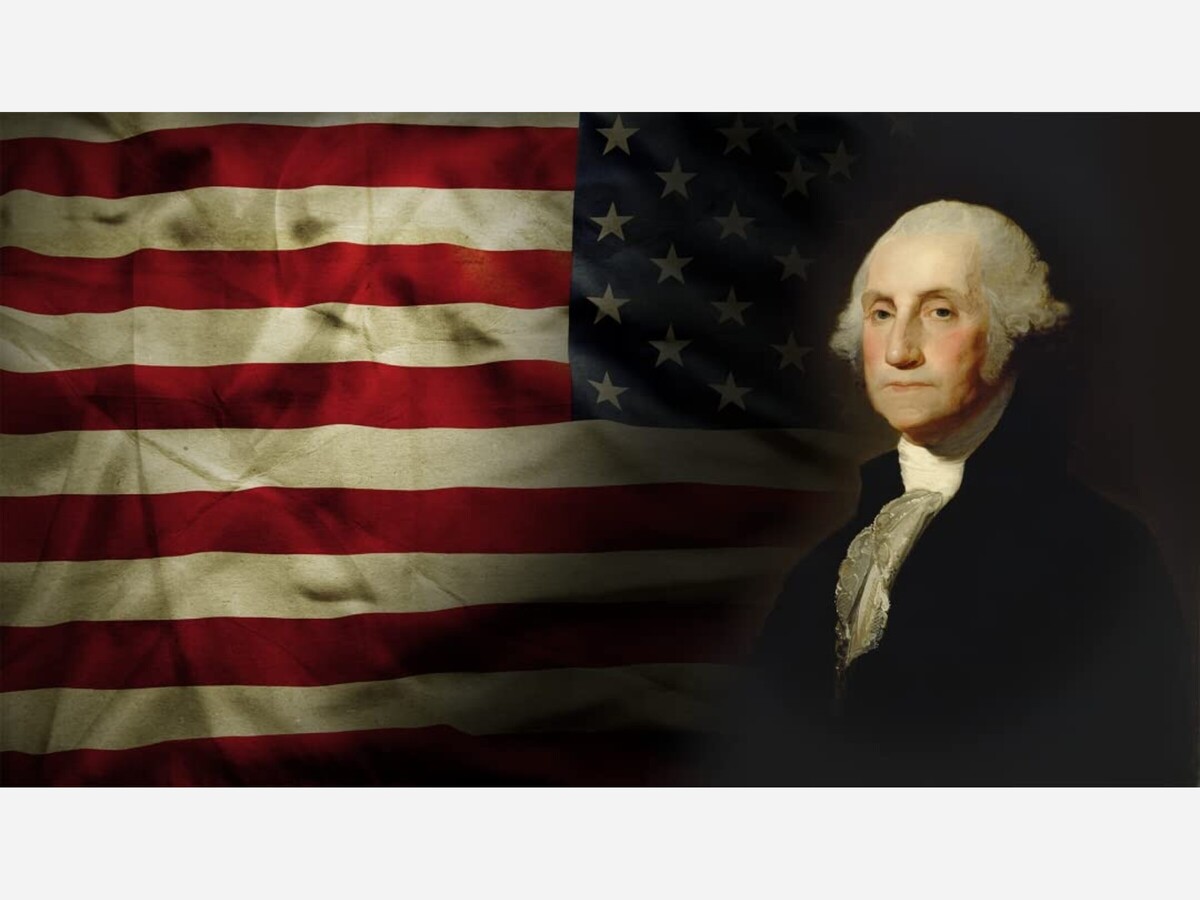
Presidents Day, though widely celebrated as a tribute to all U.S. presidents, is still officially recognized by the federal government as Washington’s Birthday. Its history is a journey from honoring a single founding father to becoming a general celebration of the presidency. Key Stages of Evolution

  • The Original Tribute (1800s): Following George Washington’s death in 1799, his February 22 birthday became a day of informal national remembrance. In 1879, President Rutherford B. Hayes signed it into law as a federal holiday for government workers in Washington, D.C.. By 1885, it was expanded to all federal employees nationwide.
  • The Uniform Monday Holiday Act (1968/1971): A major shift occurred when Congress passed this act to create more three-day weekends. In 1971, the celebration was moved from the fixed date of February 22 to the third Monday in February.
  • The "Presidents Day" Rebranding: During the debate for the 1968 act, there was a proposal to rename the holiday "Presidents Day" to honor both Washington and Abraham Lincoln (whose birthday is February 12). While the name change failed in Congress, it became the popular moniker in the 1980s as retailers used "Presidents Day Sales" to market the long weekend.

Fast Facts

  • Legal Name: Officially Washington’s Birthday per U.S. Code Title 5 Section 6103.
  • State Variations: Many states have officially adopted the name "Presidents Day," and some even include other figures like Thomas Jefferson on their calendars.
  • Traditions: Since 1896, it has been a Senate tradition to read Washington’s Farewell Address aloud on or around the holiday.
  • (From a variety of  sources)
More News from Spotsylvania Courthouse
I'm interested
I disagree with this
This is unverified
Spam
Offensive