56° and Patchy rain nearby
After Diabetes Awareness Day, Give Children the Gift of an Ordinary School Day



After Diabetes Awareness Day, Give Children the Gift of an Ordinary School Day
By Douglas Vandergraph
https://douglasvandergraph.com/
A classroom can teach kindness in an afternoon. The harder test is whether that kindness stays in the room when a classmate needs help, feels different, or simply wants to be treated like everyone else.
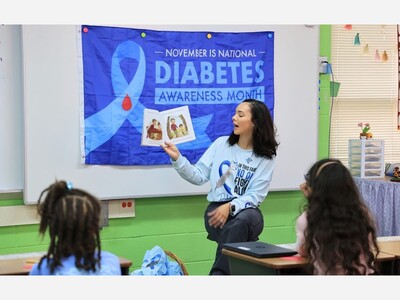
The Spotsylvania Gazette reported Saturday that Brock Road Elementary marked Diabetes Awareness Month with a schoolwide display of colorful butterflies. Fourth graders also took part in a book reading and interactive activity about diabetes. That is a thoughtful beginning. My proposal is that schools use moments like this to teach an equally important, practical lesson: health awareness should make a child's ordinary school day easier, not make that child the center of uncomfortable attention.
There is a difference between knowing the name of a condition and knowing how to behave toward a person who lives with it. Children can memorize a definition and still tease a classmate about a snack, stare at a medical device, or repeat a rumor about what caused an illness. Conversely, they can offer sincere friendship without being taught to become amateur doctors. The lesson adults give them should make that distinction unmistakable.
Diabetes is not a single experience. Type 1 diabetes involves the body's inability to produce enough insulin and is not caused by eating too much sugar. Type 2 diabetes involves a different pattern of insulin resistance and other factors. Management is individualized, and decisions about medication, food, activity and urgent care belong with the child, their family and appropriately trained professionals. A classwide discussion should never imply that one familiar explanation fits every child.
This is why a good awareness activity ought to have two parts. The first is factual: what diabetes is, why no child should be blamed for it, and why some people may need equipment, food, medication or help at a particular time. The second is relational: how to respond without turning someone's health into a public spectacle.
That second lesson can be taught through simple questions. If a classmate needs to step out of an activity, do we demand an explanation? No. If another student wears a visible device, do we treat it as a toy or a conversation starter? No. If somebody looks unwell, do we gather around and guess at a diagnosis? No. We tell a trusted adult promptly and give the person room. Children need to know that being kind does not require knowing private medical details.
The adults, meanwhile, have a different responsibility. School health plans, emergency procedures and staff training must be specific enough to work when a need arises. A cheerful display is not a substitute for trained personnel, access to supplies, appropriate accommodations or a safe response when something goes wrong. Those practical arrangements should be made privately with families according to each student's needs.
An awareness lesson can be memorable without singling out a child as the classroom's example. A teacher could use an age-appropriate fictional scenario to ask how students might include someone who needs a break, or how they could respond to an unkind comment. No real student must disclose a medical history to make the exercise meaningful. Protecting a child's privacy is itself one of the lessons.
There is also a role for the rest of Spotsylvania's community. Parents can reinforce the difference between asking a respectful question and demanding an answer. Coaches and volunteer leaders can remember that a health accommodation is not special treatment in the ordinary sense; it is part of making participation possible. Churches and youth groups can review how they communicate with families about food, activities and unexpected changes in plans. The responsibility for inclusion belongs to the people organizing the activity, not only to the child who must navigate it.
In Mark 10, people try to silence Bartimaeus as he calls to Jesus. Jesus stops and asks him what he wants. It is a small but decisive reversal of the crowd's behavior. The person others had reduced to a disturbance is allowed to speak for himself. The story is not about diabetes. It is about the habit of letting a person's own needs matter more than the assumptions of onlookers.
That principle is worth bringing into a school. We should not presume to know what a family needs because we have learned a vocabulary word or seen a public-health poster. We should make it easier for them to tell the appropriate people what would help, and we should respect their decision to keep the details private.
Brock Road Elementary's butterflies offered a visible reminder that awareness matters. The next step is to turn the reminder into everyday conduct. Schools can ask students what they learned about respect, remind adults where to find the proper health procedures, and make sure the child who needs a little extra support can return to the lesson, the game or the lunch table without becoming a lesson for everyone else.
That is the quiet measure of a successful awareness effort. The display comes down. The book is returned. The children go on with their school day. And the student who has been living with a medical condition all along can do the same, surrounded not by pity or curiosity, but by classmates who know how to be friends.
Douglas Vandergraph
Background source for editorial verification (not part of the article): https://spotsylvaniagazette.town.news/g/spotsylvania-courthouse-va/n/398897/brock-road-elementary-helped-build-awareness-schoolwide
More News from Spotsylvania Courthouse
- SELECTIONS FROM AROUND THE PATCH SELECTIONS FROM AROUND THE PATCH
- GOVERNOR SPANBERGER WELCOMES TOURISM LEADERS TO KALAHARI IN SPOTSYLVANIA GOVERNOR SPANBERGER WELCOMES TOURISM LEADERS TO KALAHARI IN SPOTSYLVANIA