54° and Clear
Image

Photo by Valery Tenevoy on Unsplash



There is a quiet distance that exists between many citizens and their local governments. It is not born out of apathy alone. It is often the result of complexity, time constraints, and the assumption that local systems will function as intended without close public attention. Yet the reality is far more immediate. Local government is not distant. It is present in our homes, our neighborhoods, our schools, and our daily routines.
Over the course of engaging with residents across multiple communities, one pattern has become clear. Many people do not fully understand how local government works, what it controls, or how deeply it shapes their lives. This is not a reflection of the people. It is a signal that civic understanding has not kept pace with the responsibilities placed upon local institutions.
Local government is where public policy becomes personal.
It is where decisions about schools determine whether a child is prepared for adulthood. It is where public safety strategies shape whether a neighborhood feels secure. It is where infrastructure decisions influence whether families experience stability or disruption. It is also where taxation, particularly property taxation, intersects directly with household finances.

These are not abstract issues. They show up at the dinner table.
When a parent considers whether their child is receiving a quality education, they are engaging with the outcomes of local governance. Research has consistently demonstrated that the quality of public education is strongly associated with long-term individual outcomes, including employment, earnings, and civic participation (Hanushek & Woessmann, 2015). These outcomes do not occur in isolation. They are shaped by local funding decisions, administrative leadership, and community engagement.
In many localities, property taxes are a primary source of revenue used to fund public schools and essential services. This creates a direct relationship between property valuation, tax policy, and the quality of public resources available to residents. As scholars have noted, reliance on local property taxation often produces disparities in educational quality and resource allocation, particularly across communities with differing property values (Fischel, 2001). When citizens are not aware of how these systems function, they are less equipped to engage, question, or advocate for equitable outcomes.
Public safety offers another example. The presence of effective emergency services, law enforcement, and community-based safety initiatives contributes to both real and perceived security. This, in turn, influences economic stability, property values, and overall quality of life. Studies in public administration and criminology have shown that community trust and engagement are essential components of effective public safety systems (Tyler, 2006). That trust is built, in part, through transparency and citizen awareness.
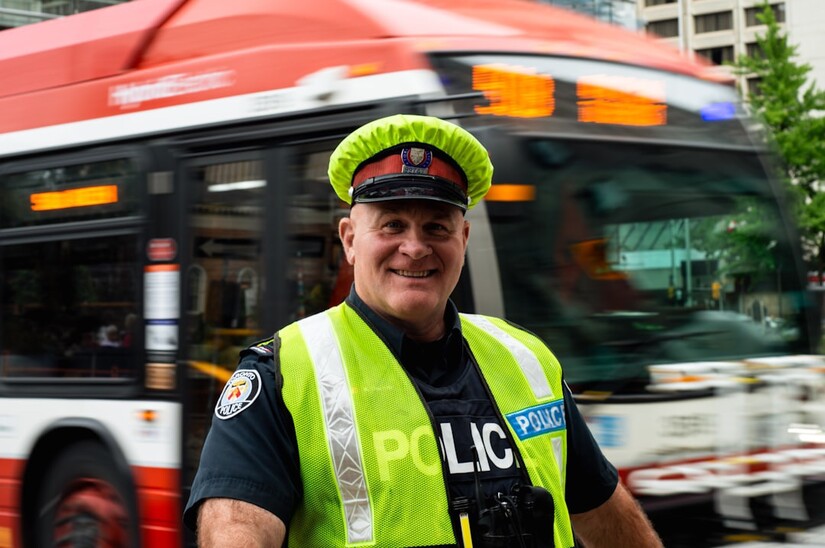
Local government also determines how public resources are allocated. Roads are maintained or neglected. Parks are developed or deferred. Social services are expanded or constrained. Each of these decisions reflects priorities. Each has consequences. And each is shaped by governance structures that are closest to the people.
This is why citizen awareness is not optional. It is foundational.
Robert Dahl once wrote, “The democratic process is a means for citizens to protect their own interests” (Dahl, 1989, p. 76). That protection requires knowledge. Without understanding how local systems operate, citizens are limited in their ability to participate meaningfully in decisions that affect their lives.
Public value, a central concept in public administration, offers a useful lens here. Public value is created when government actions align with the needs, expectations, and well-being of the people it serves (Moore, 1995). When local government reflects only a segment of the population, rather than the full diversity of the community, public value is diminished. When it reflects the people in a balanced and informed way, public value is strengthened.
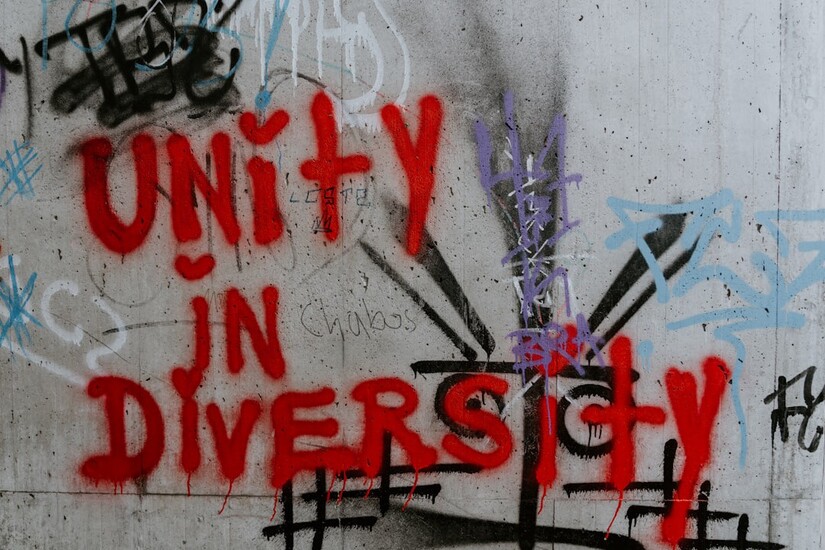
Awareness is the bridge between the two.
It is important to understand that local government is designed to be accessible. Public meetings are open. Records are available. Officials are elected. Yet accessibility does not automatically produce engagement. Engagement requires intention.
The awareness gap that exists today has real consequences. When citizens are not informed, decisions can proceed without the benefit of broad community input. When citizens are informed, governance becomes more responsive, more equitable, and more aligned with the public good.
This is not about politics in the traditional sense. It is about responsibility.
It is about recognizing that the systems closest to us often have the greatest impact on our lives. It is about understanding that the quality of a child’s education, the safety of a neighborhood, and the fairness of local taxation are not distant policy issues. They are lived experiences.
Local government reflects the people who pay attention to it

If awareness remains limited, representation becomes narrow. If awareness expands, representation becomes more complete. In that sense, citizen awareness is not only about understanding government. It is about shaping it.
The call, then, is simple.
Pay attention.
Ask questions.
Stay informed.
Because what happens in local government does not stay in government.
It comes home.
References
Dahl, R. A. (1989). Democracy and its critics. Yale University Press.
Fischel, W. A. (2001). The homevoter hypothesis: How home values influence local government taxation, school finance, and land-use policies. Harvard University Press.
Hanushek, E. A., & Woessmann, L. (2015). The knowledge capital of nations: Education and the economics of growth. MIT Press.
Moore, M. H. (1995). Creating public value: Strategic management in government. Harvard University Press.
Tyler, T. R. (2006). Why people obey the law. Princeton University Press.



Overcast, with a high of 63 and low of 51 degrees. Overcast for the morning, clear during the afternoon and evening, overcast overnight.